Free Shipping! *

Birding New York City February March

Between Winter and Spring Birding in New York City
Spoken by Dennis Newsham
Download Track

The shift from winter to spring in New York City is always a strange one. This blog is about birding in New York City February through March and what you can still find during this quieter time of year.

February always feels like the coldest month. Short days, cold wind, and long stretches where it feels like winter is not going anywhere. Even into early March, it usually stays that way. This year felt no different. We had a bit of a false start to spring, a few warmer days, and then it turned cold again.

But now, toward the end of March, you can feel it changing. The sun is out more. Crocuses and tulips are starting to come up. There is a slight shift in the air.

As I was thinking about this, I realized I did not do as much birding this February and March compared to previous years. So I went back through my photo library and looked at what I have seen during these months over time.

And that is really what this blog is about. Birding in New York City during February and March.

This time of year is often overlooked.

It comes right before spring migration, which is when things really pick up. But for me, this time has value. It gives me a chance to reset.

After the winter, I get time to slow down, get back outside, and sharpen my skills again. Listening for birds. Watching for movement. Paying attention to behavior. Even just getting used to holding the camera again and being out in the sun.

It feels like a bit of a training period. Getting ready for what is coming next.

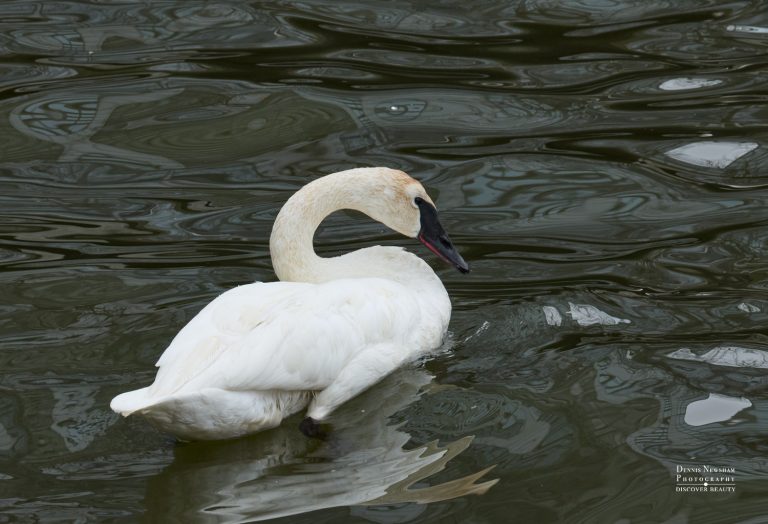
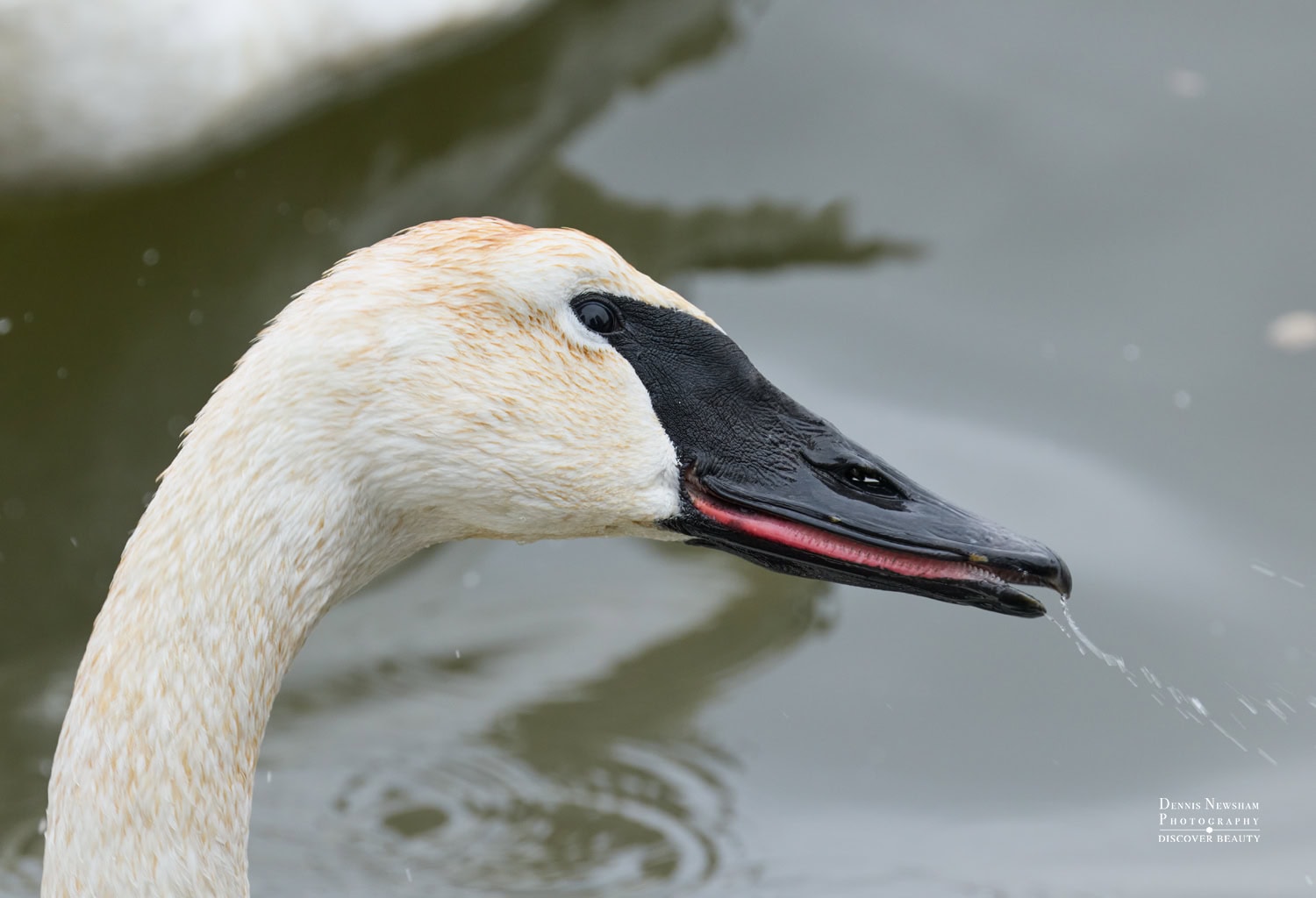
Trumpeter Swan at Pier 5 Brooklyn New York City

A Quieter Season in the Parks

This time of year is different.

The parks are quieter. The air is colder. There are fewer birds around, and fewer people out looking for them. Some days it feels like not much is happening at all.

And to be honest, we are not out as much either.

Winter birding can be like that. It takes a little more effort to get outside. But when you do, there are still things to see. Sometimes really special things.

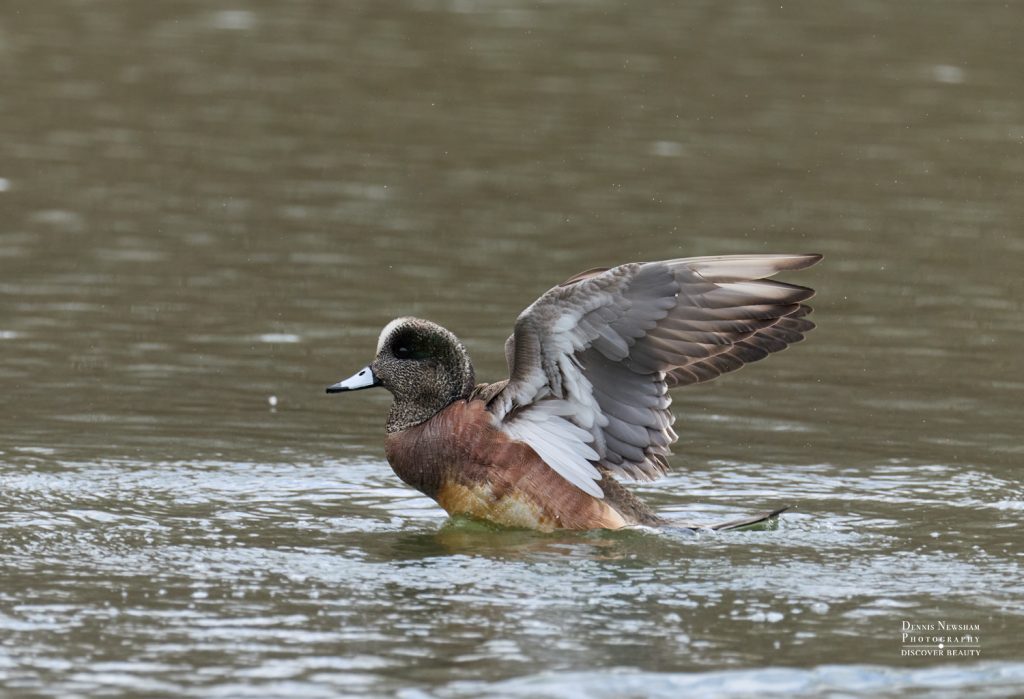
American Wigeon Central Park 2026

Winter Water and Unexpected Rarities

Late winter can be a good time for waterfowl in New York City.

We had Bald Eagles along the Hudson River when there was still ice. We had Red breasted Mergansers and Common Mergansers around Central Park and Governors Island.

And then there was the Trumpeter Swan at Pier 5 in Brooklyn.

I had been watching it on social media all week but could not get there right away because of work and the weather. So when we finally had the chance to go, there was that feeling in the back of my mind. Is it still there?

We got there early. We started looking out over the water. We were scanning, trying to pick out shapes, looking for anything white.

And then we saw it.

Just sitting there, right where it was reported. Out in the open, not hiding, just doing its thing. Feeding, moving around. It was also hanging out with a Mute Swan, which made it even easier to pick out once you saw the two together.

That is always a great feeling. Sometimes you get there and the bird is sleeping or it has moved. This one was active, and we had time to watch it.

We also saw Red breasted Mergansers and Buffleheads while we were there.

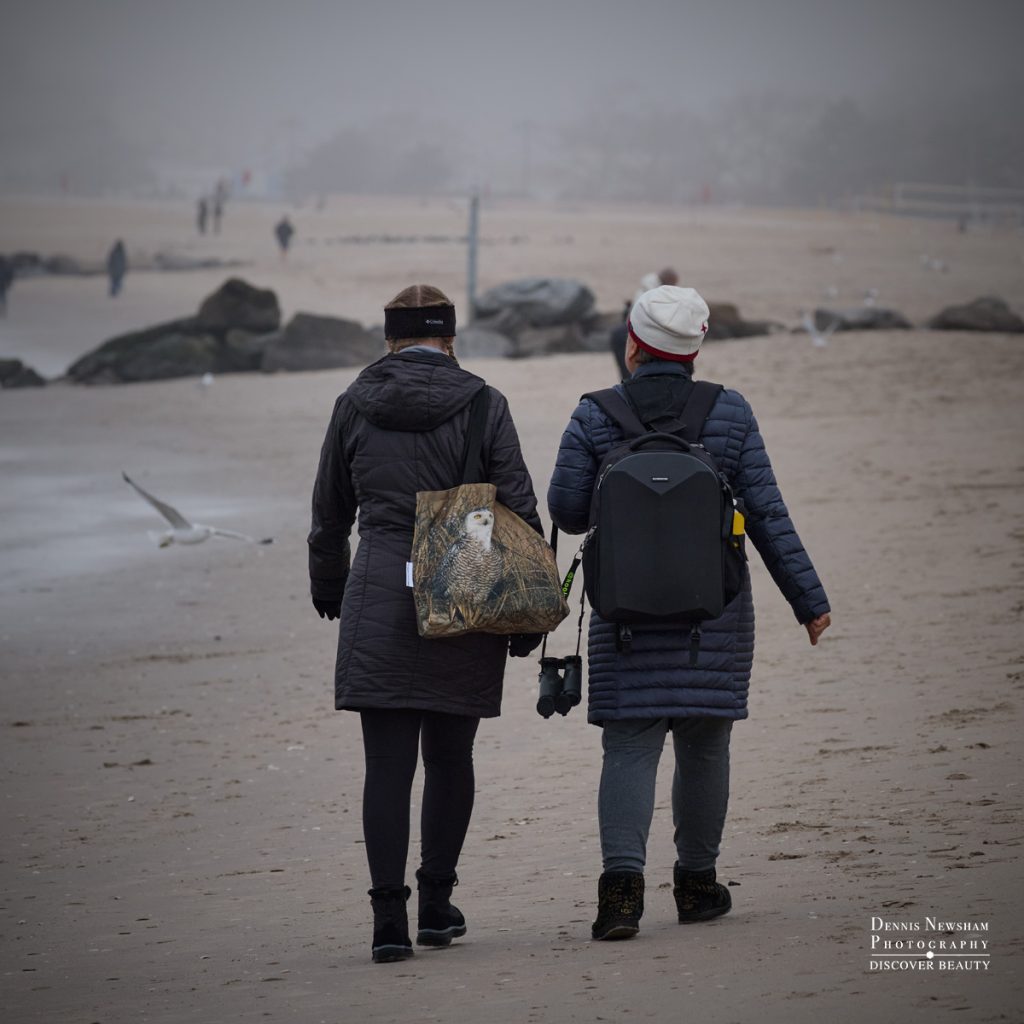
We ran into a couple of other birders we knew, and that is always a nice part of it too. We spent some time together along the waterfront, talking, taking photos, and just enjoying the moment.

After a bit, we all decided to head out together to Brighton Beach to look for another bird that had been reported.

We did not find that one, but we did see an Iceland Gull, some Sanderlings, and more birds out on the water.

We got to walk, talk, and catch up, which is always part of it.

Sometimes you get the bird. Sometimes you do not. But it is still a good day.
American Woodcocks in Bryant Park

One of the highlights of this time of year is the American Woodcock.

You can find them in several parks, but Bryant Park is one of the most interesting places to see one.

Bryant Park is about 9.6 acres right in Midtown Manhattan. It sits between 5th and 6th Avenue and 41st and 42nd Street. The New York Public Library main branch is along the east side, and the park fills in the rest.

It is not a large park. It is very defined. Walkways, seating areas, and patches of green space. There is a lawn where they show movies in the summer and an ice skating rink in the winter.

It is a very managed space.

Most of the birds, especially the woodcocks, stay in the ivy beds and low bushes. These areas are surrounded by sidewalks. Everything feels contained.

And when you look up, you see tall buildings on all sides. It almost feels like a canyon.

And yet, the woodcocks are there.

They blend in so well. Their back looks just like a pinecone on the ground. You can be looking right at one and not even realize it.

And all around you, people are walking, sitting, eating, talking.

That contrast is what makes it special.

Sometimes the experience can be quiet. Just a few people watching. Other times it can get crowded, with groups gathered around one small area.

That is not really for me.

This year it was calm. Just a few of us. Everyone giving the bird space. It moved a little and did that slow rocking motion.

That was enough.

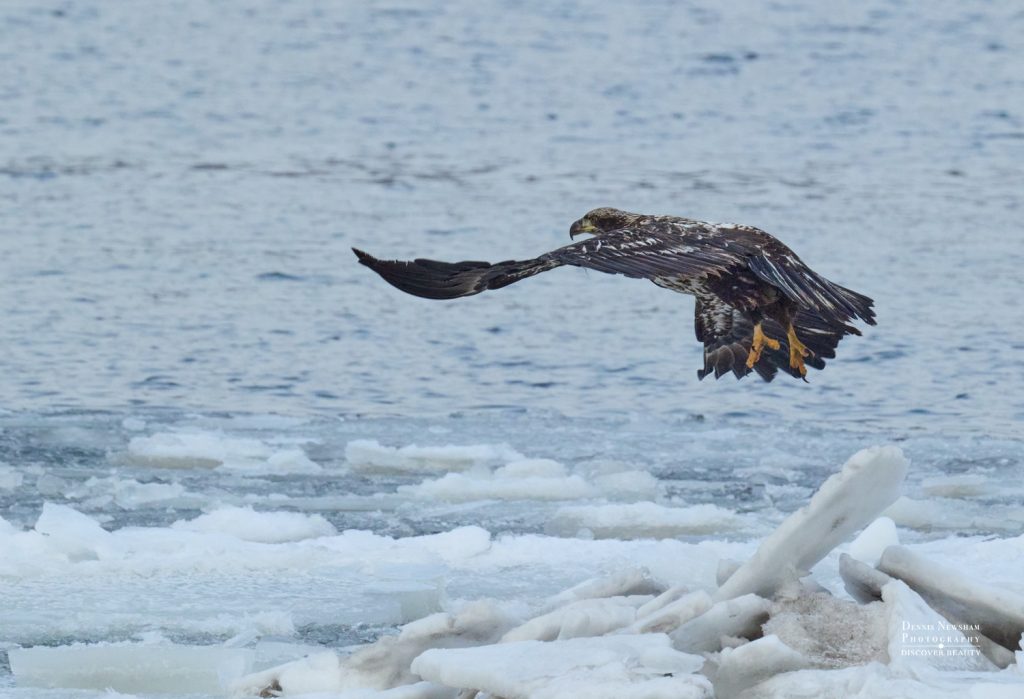
Bald Eagle Hudson River NYC 2026

Raptors in the Cold

This time of year is also good for raptors.

In January, when the Hudson River has ice, you can often find Bald Eagles on the ice floes. As February moves on and the ice disappears, that changes.

So the focus shifts.

Some people start looking for owls in known locations.

For me, March is when I start focusing more on Red tailed Hawks.

You see them all year, but this is when they are more active around their nests. You can go back to the same location and watch what they are doing.

Around Central Park, there are four nest sites.

Along Central Park South, you can watch them nesting on buildings high above the street. There is a lot of noise and traffic, but they seem used to it.

Because of that, you can observe without disturbing them.

I was out recently with a friend, and both hawks were active. We took our time, walked around, and watched where they moved.

When you know the area, you can think ahead and position yourself better.

That is what I enjoy. Not just getting a photo, but watching behavior.


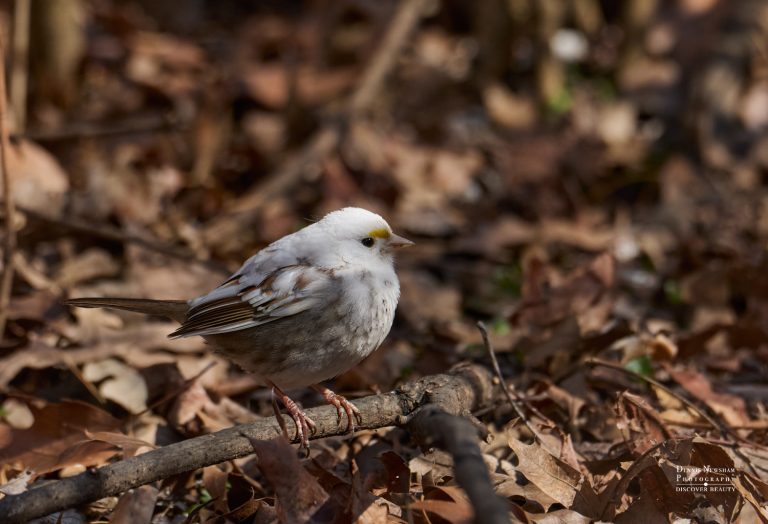
White-throated Sparrow (Leucitic) Central Park 2025

Small Birds Big Moments

Even the smallest birds can create the biggest moments.

Even with birding in New York City February March, there is always something to see if you take your time. The leucistic White throated Sparrow was one of those for me.

Just seeing the alert got my attention right away. But I could not get there that day because of work, and the light fades quickly at that time of year.

When I finally went, I made sure to go with a couple of other people. More eyes helps when you are looking for a small bird.

We were scanning, looking for movement and listening.

When we found it, it was not easy. It was tucked into branches, moving in and out of view. We had to wait for it to come into an opening.

You do not want to rush that.

And at the same time, people are walking by, asking what you are looking at. That is part of birding in the city.

But when it finally stepped into view, even for a moment, it was worth it.

Walking away from that felt like a win.

For such a small bird, it left a big impression.

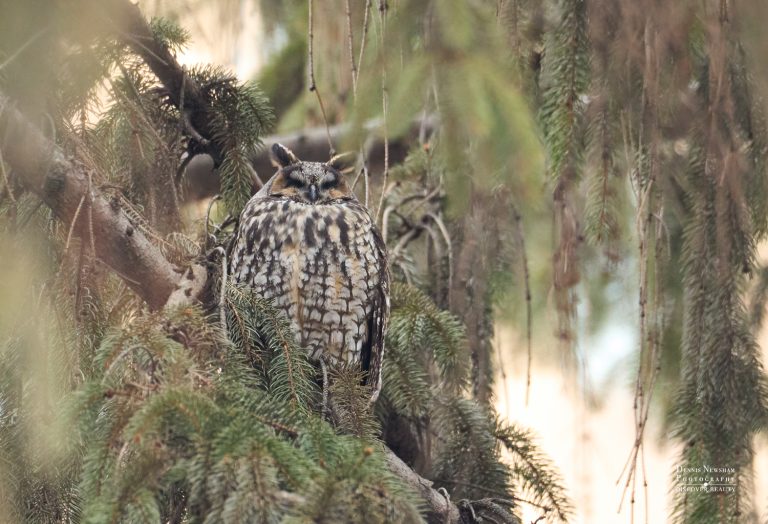
Long-eared Owl Central Park 2024

Looking Back at Previous Years

Looking back at previous years, I started thinking about how different each one can be.

Some years I was out more. Some years felt more active. 2018 and 2019 really stood out for me.

This year felt slower.

But that does not mean it was not worth it.

This time of year gives you a chance to focus on the birds that are always here. Robins, Cardinals, Sparrows, Blue Jays and Red tailed Hawks.

You can slow down and watch them more.

At the same time, there is always the chance of something unexpected.

Even in February and March, you can still get rare or unusual birds.

That possibility is always there.

The Value of Community

The birding community is a big part of all of this.

Everyone is different. Some people share everything. Some people keep things to themselves. But for the most part, people help each other.

You hear stories. You learn about past sightings. You build a sense of history.

And in a place as big as New York City, that helps.

Sometimes all it takes is asking a simple question.

What have you seen?

And one of the best parts is the time you spend together out there. Talking, walking, sharing the experience.

The hardest part is when it is time to head home and say goodbye, knowing you will meet up again soon!

Birding Friends NYC Brighton Beach 2026

A Part of the Process

At DennisNewsham.com, many of the photos from these moments are available as prints and products like bags, tea towels, coasters, lapel pins, scarves, and puzzles.

Each photo is part of a process.

Going out. Finding the bird. Taking the photo. Bringing it back and editing it. Then deciding how to share it.

It takes time and patience.

But it is always worth it.

Closing

Even in the quietest months, there is always something to see.

You just have to be willing to look.

People ask me why I do this. Why birding, why wildlife photography.

For me, it is simple.

I am always on the edge of discovering something.

And most of the time, what I find is beauty.

That is what drives me. To discover beauty and share it.

And along the way, I have learned that a little kindness goes a long way.

See you birding soon.

To subscribe to receive notifications of new blog posts, newsletters, and updates!

Click here to read our Privacy Policy

Facebook
Twitter
LinkedIn