This April has had its ups and downs with temperature and weather. But for the most part, it still feels like something is missing.
Spring migration in NYC always builds slowly, and this year is no different.
You can feel it when you walk through the park. The light is changing. The trees are starting to fill in. There are more people out again.
But Spring migration NYC 2026… it has not fully arrived.
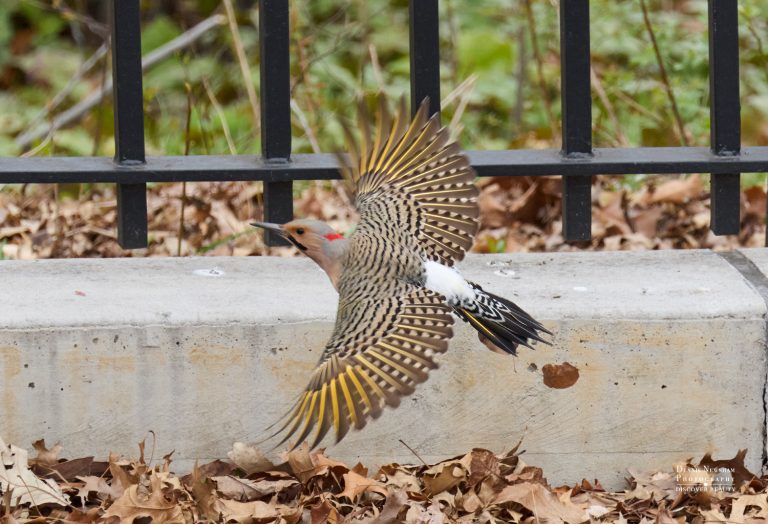
At the start of the month, there were signs. Northern Flickers, Red-tailed Hawks, and the return of the Double-crested Cormorants.
Even simple moments stood out.
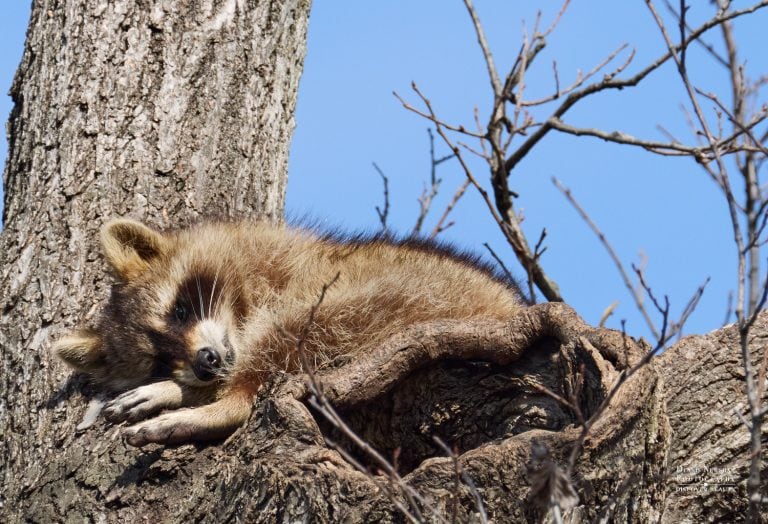
Walking through Central Park, I came across a raccoon stretched out in a tree, soaking in the warm sun. Completely at ease. Every now and then it would lift its head, look around, yawn, then settle back in.
Another time, I turned and caught one quickly climbing up a tree, stopping to clean itself, alert to everything around it.
It is always something to see how wildlife exists here. In a green space surrounded by millions of people, and yet still living on its own terms.
Palm Warbler Central Park Spring Migration 2026
Early Signs of the Season
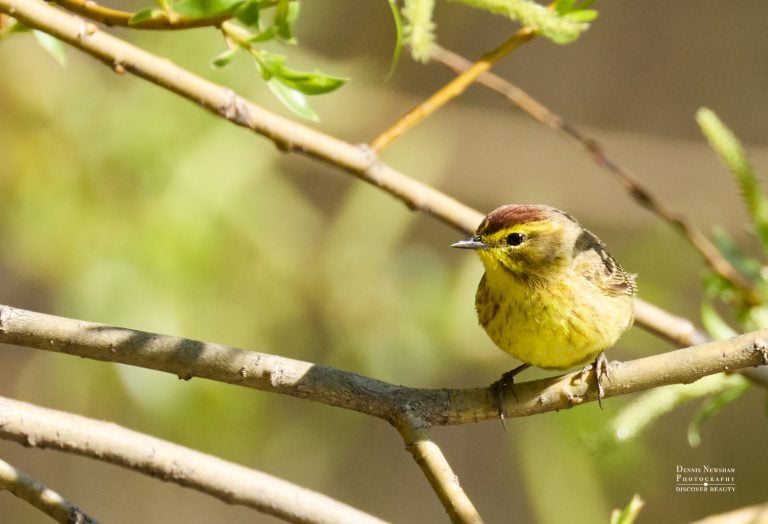
One of the first warblers I saw this season was the Palm Warbler.
And it was not just one or two. I had multiple encounters across different days.
That small bird, with its rusty cap, almost feels like it is saying hello. Like it is helping New York wake up from a long winter.
There have been sparrows everywhere too. Song Sparrows, Savannah Sparrows, White-throated Sparrows.
Even a Vesper Sparrow showed up in Central Park near the Butterfly Gardens.
That one stood out.
Among all the familiar birds, there it was—just a little different.
A reminder that sometimes it is okay to stand apart.
Chipping Sparrow Central Park Spring Migration 2026
Savannah Sparrow Central Park Spring Migration 2026
Song Sparrow Central Park Spring Migration 2026
Vesper Sparrow at Central Park Spring Migration 2026
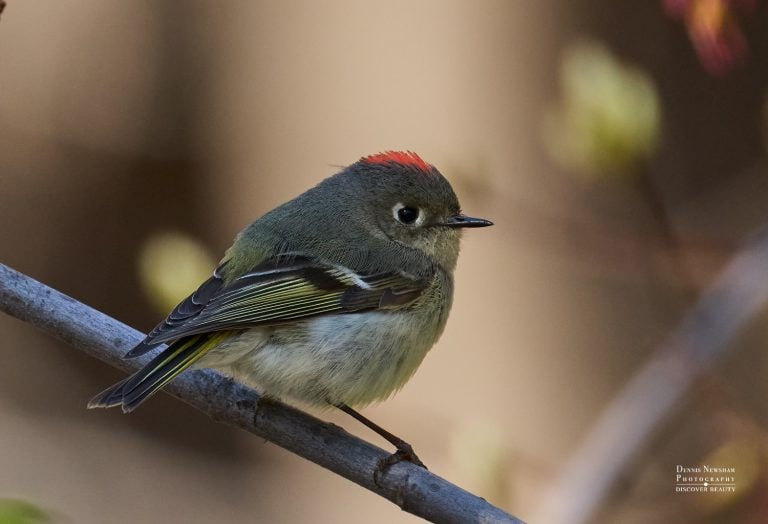
Ruby-crowned Kinglet Central Park Spring Migration 2026
The Osprey Moment at the Pool
Walking around the Pool in Central Park, photographing warblers and Eastern Phoebe, I suddenly noticed a shadow overhead.
A big one.
What is that? A bald eagle? A hawk?
Nope. An Osprey.
Everything speeds up in that moment. You raise the camera, try to lock in, focus, stay steady.
Then it dives.
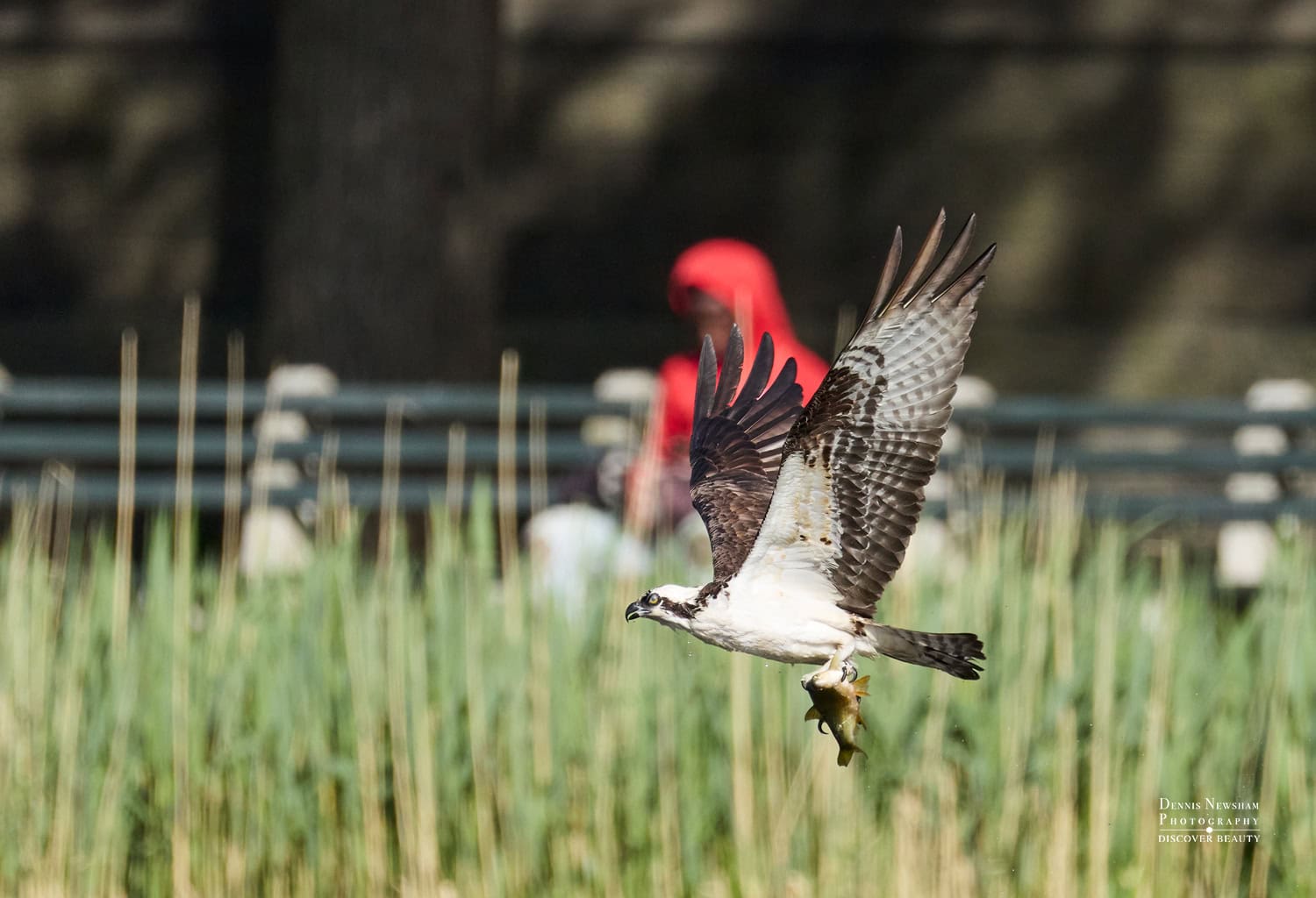
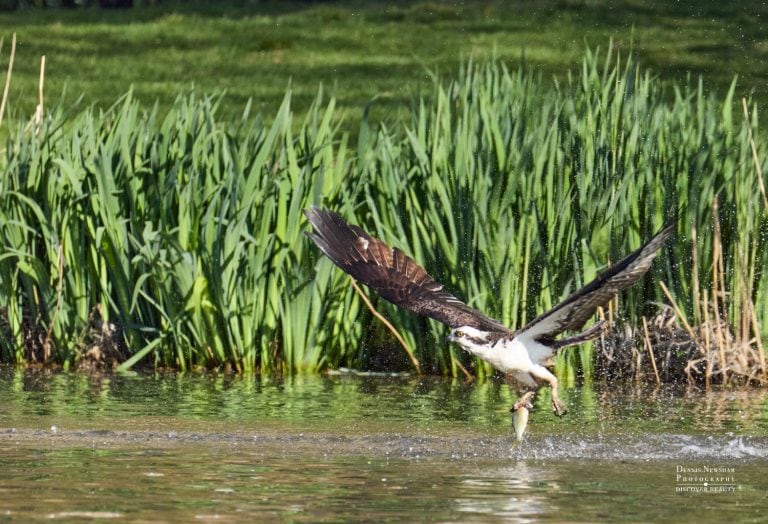
Straight into the water, just inches from a Canada Goose. The goose panics, thinking it is the target. But the osprey is locked in on something else.
A fish.
It comes up struggling, wings beating hard against the water, splashing everywhere. The fish is big. You can feel the effort as it tries to lift.
And then it does.
It rises, carrying that fish, flying right past.
Did I get the shot?
Yes.
Moments like that stay with you.
Osprey at the Pool in Central Park Spring Migration 2026
Osprey at the Pool in Central Park Spring Migration 2026
Osprey at the Pool in Central Park Spring Migration 2026
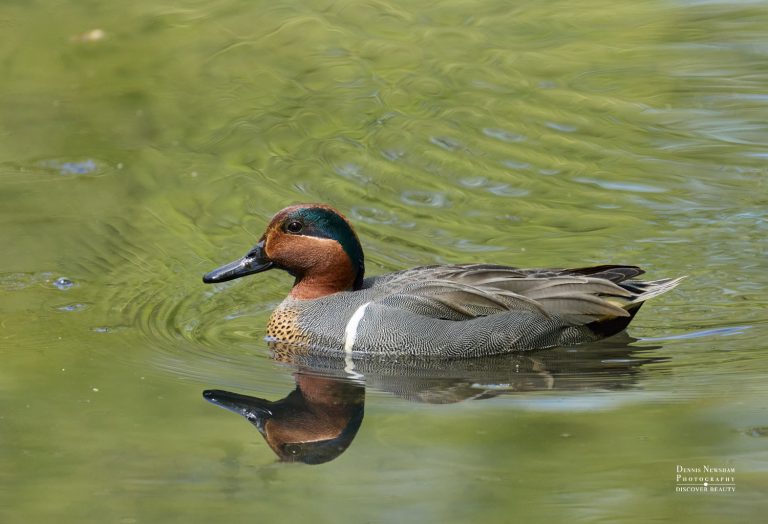
Green-winged Teal at the Pool in Central Park Spring Migration 2026
Movement in the North Woods
Up in the North Woods, things have been slowly building.
A Hermit Thrush here and there. A Northern Waterthrush along the water. Yellow-rumped Warblers moving through. Eastern Phoebes calling out.
At the Pool, Green-winged Teals still hanging on.
And then the smaller movements.
Ruby-crowned Kinglets fluttering through branches, never staying still long enough. A Blue-headed Vireo appearing just long enough to lock in, then gone again into the canopy.
Someone called it out while I was near the Loch.
“Blue-headed Vireo.”
That rush hits you right away. You look up, scan the branches, find it for just a moment. Enough to see it clearly. Enough to take it in.
And then it disappears.
That is how it goes sometimes.
Blue -headed Vireo Central Park Spring Migration 2026
Ruby-crowned Kinglet in Central Park Spring Migration 2026
Ruby-crowned Kinglet in Central Park Spring Migration 2026
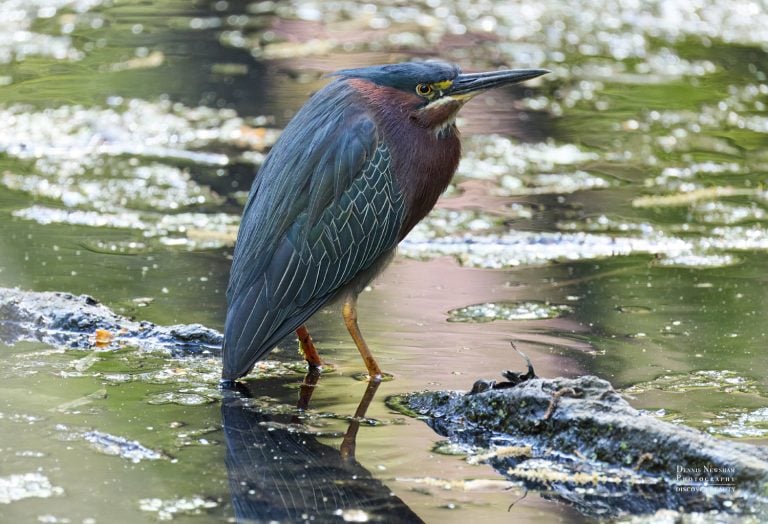
Green Heron in Central Park Spring Migration 2026
Northern Waterthrush in Central Park Spring Migration 2026
Yellow-rumped Warbler in Central Park Spring Migration 2026
Hooded Warbler Central Park Spring Migration 2026
The Hooded Warbler Chase
I was walking up from the Wildflower Meadow toward the Nursery when someone passed by and called out:
“Hooded Warbler at the seep.”
And just like that, everything changes.
You turn around and head back. Moving quickly, but trying not to rush too much.
By the time I got there, the crowd had already started forming. One person turns into five. Five turns into ten. Before you know it, there are twenty people, all waiting, all listening.
At first, nothing.
Then you hear it.
That small call.
I moved off to one side and caught a flash of yellow. About four feet up.
There it is.
But then it disappears again.
Hooded Warbler usually stay low. This one kept moving higher, deeper into the branches.
Then someone else calls out:
“I got it.”
We all move slowly, careful not to spook it.
And there it is.
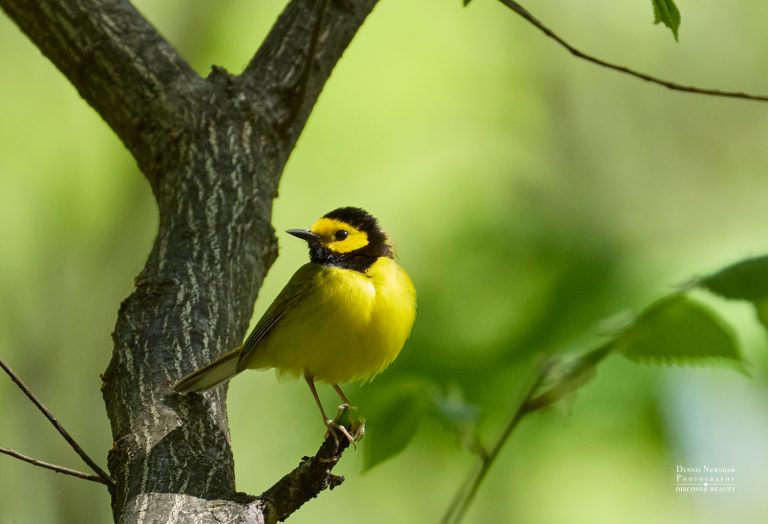
Bright yellow, black hood, moving through the branches, feeding, flipping upside down, completely in its own world.
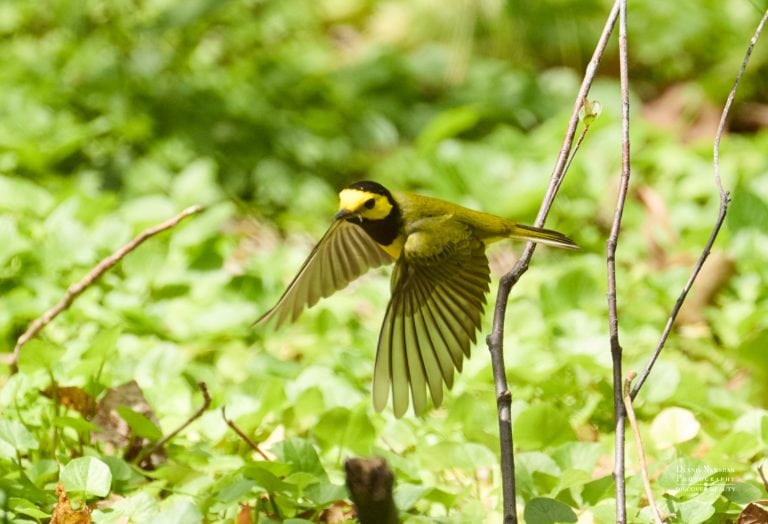
I was able to get some great shots. Even a flying one, which is never easy, especially now with the leaves filling in.
Moments like that are worth the wait.
Hooded Warbler Central Park Spring Migration 2026
Another Afternoon in the Park
Not every moment happens first thing in the morning.
One afternoon, after a full workday, I saw another alert. The Hooded Warbler had been reported again.
So I went back.
This time, the group was smaller. Fewer than a dozen people gathered just north of the Pool. The afternoon sun filtered through the trees, lighting up the space in a way that felt almost staged.
And there it was again.
Still singing. Still moving. Low, then high, then back down again. Feeding, calling, completely in its own rhythm.
But what stood out just as much was the people.
Some had not seen one yet this season. Some were seeing one for the first time.
You could feel that energy.
That mix of patience and excitement.
Hooded Warbler in Central Park Spring Migration 2026
Hooded Warbler in Central Park Spring Migration 2026
Hooded Warbler in Central Park Spring Migration 2026
Hooded Warbler in Central Park Spring Migration 2026
Green Heron Central Park Spring Migration 2026
Small Detours That Matter
While I was there, someone mentioned a Green Heron at the Pool.
So I walked over.
They are not rare, but they are not always easy either. Not like the Black-crowned Night Heron or Great Egrets you can usually count on.
This one gave me the opportunity.
A clean portrait. Still. Focused.
Moments like that do not always happen, even with familiar birds.
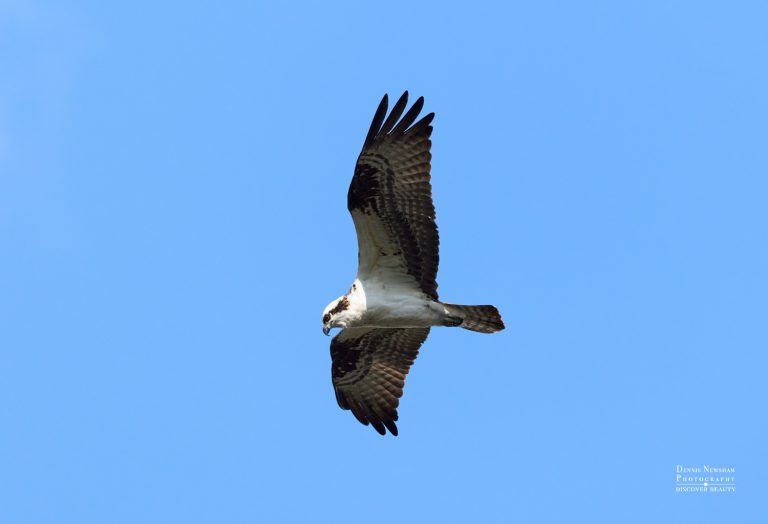
Osprey flying over the Meer in Central Park Spring Migration 2026
Ospreys Over Harlem Meer
From there, a few of us made our way over to the Harlem Meer.
The light was starting to change.
And then—movement overhead.
Ospreys.
Not just one. Three.
They moved across the sky with purpose. One circled high. Another cut across lower. Then one shifted direction suddenly.
A crow was chasing it.
The osprey had a fish.
That chase alone would have been enough. But then came the dive.
One osprey locked in, hovered for a split second, then dropped straight into the water.
No hesitation.
A splash. Wings beating hard. Water spraying everywhere.
And then that moment.
Can it lift?
It did.
Rising up, shaking off the water midair before leveling out and flying off with the catch.
With the city skyline behind it, it is something you do not forget.
Osprey at the Meer in Central Park Spring Migration 2026
Osprey at the Meer in Central Park Spring Migration 2026
Osprey at the Meer in Central Park Spring Migration 2026
Osprey at the Meer in Central Park Spring Migration 2026
Osprey at the Meer in Central Park Spring Migration 2026