
A Remarkable May in Central Park
Every winter, as the days slowly begin to grow longer, I find myself looking ahead to one month more than any other.
May.
It has become my favorite month of the year because it marks the peak of spring migration. Every morning holds the promise of something new. A bird that wasn’t there yesterday may have arrived overnight after flying hundreds of miles, making a brief stop in Central Park before continuing its journey north.
For me, there isn’t a better place to experience spring migration than Central Park.
I love birding. I love wildlife photography. I love New York City. Somehow, during the month of May, all three come together more than any other month.
This year I spent many mornings in Central Park. Some days I arrived just after sunrise, camera over my shoulder, wondering what the morning would bring. That’s one of the things I enjoy most about migration. There are no guarantees. One morning may be quiet, while the next can be filled with birds that weren’t there the day before.
People often ask me why I spend so much time in Central Park during May.
The answer is simple.
Every day is different.
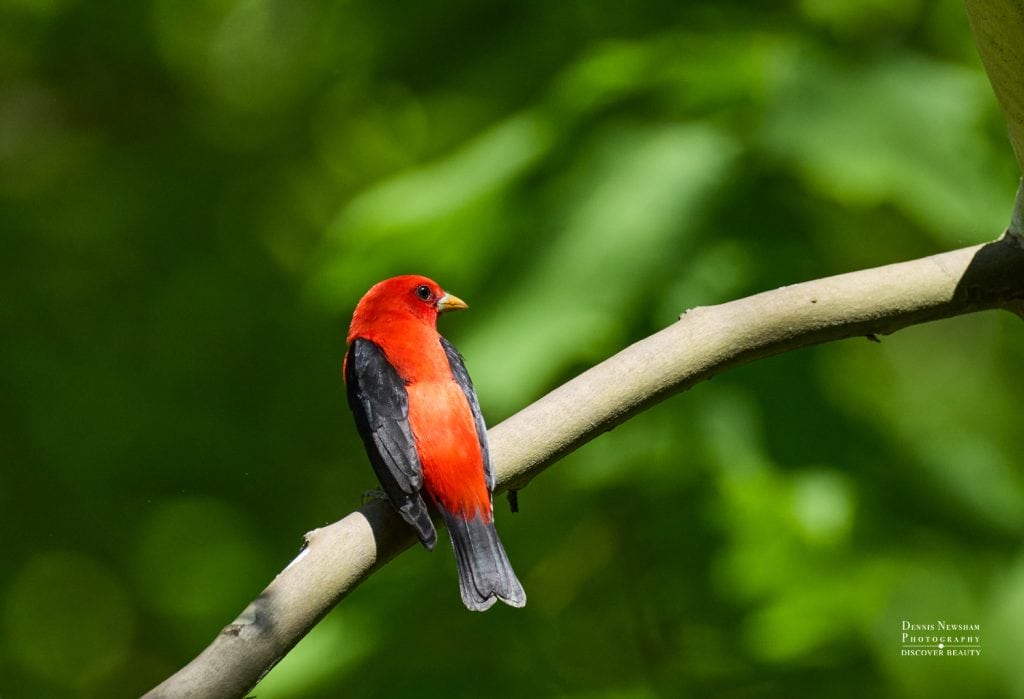
I never know what I’ll find around the next corner. It might be a brightly colored warbler feeding high in the trees, a Scarlet Tanager glowing against fresh green leaves, or a familiar friend calling me over to look at a bird they just discovered.
That’s part of the magic of spring migration.
I don’t go into the park with a checklist of birds I hope to see. Instead, I let the day unfold in front of me. Sometimes the first bird I photograph becomes my favorite image of the day. Other mornings surprise me with moments I never could have planned.
That’s what keeps bringing me back, morning after morning.
This year’s migration gave me unforgettable birds, wonderful conversations, and memories I’ll carry with me for a long time. Looking back through my photographs from May reminded me that they tell more than the story of individual birds. Together, they tell the story of another remarkable spring in Central Park, and I’d like to share a little of that journey with you.
Why Central Park Is So Special
People often ask me why I spend so much time in Central Park. After all, New York has hundreds of parks, and there are wonderful birding locations throughout the city and beyond.
For me, though, Central Park is different.
Yes, it’s in the middle of Manhattan, surrounded by some of the busiest streets in the world, but once you step inside, it feels like you’ve entered another world. The sounds of the city begin to fade, replaced by birds singing, leaves moving in the breeze, and the sound of water flowing through the park.
Central Park is so New York.
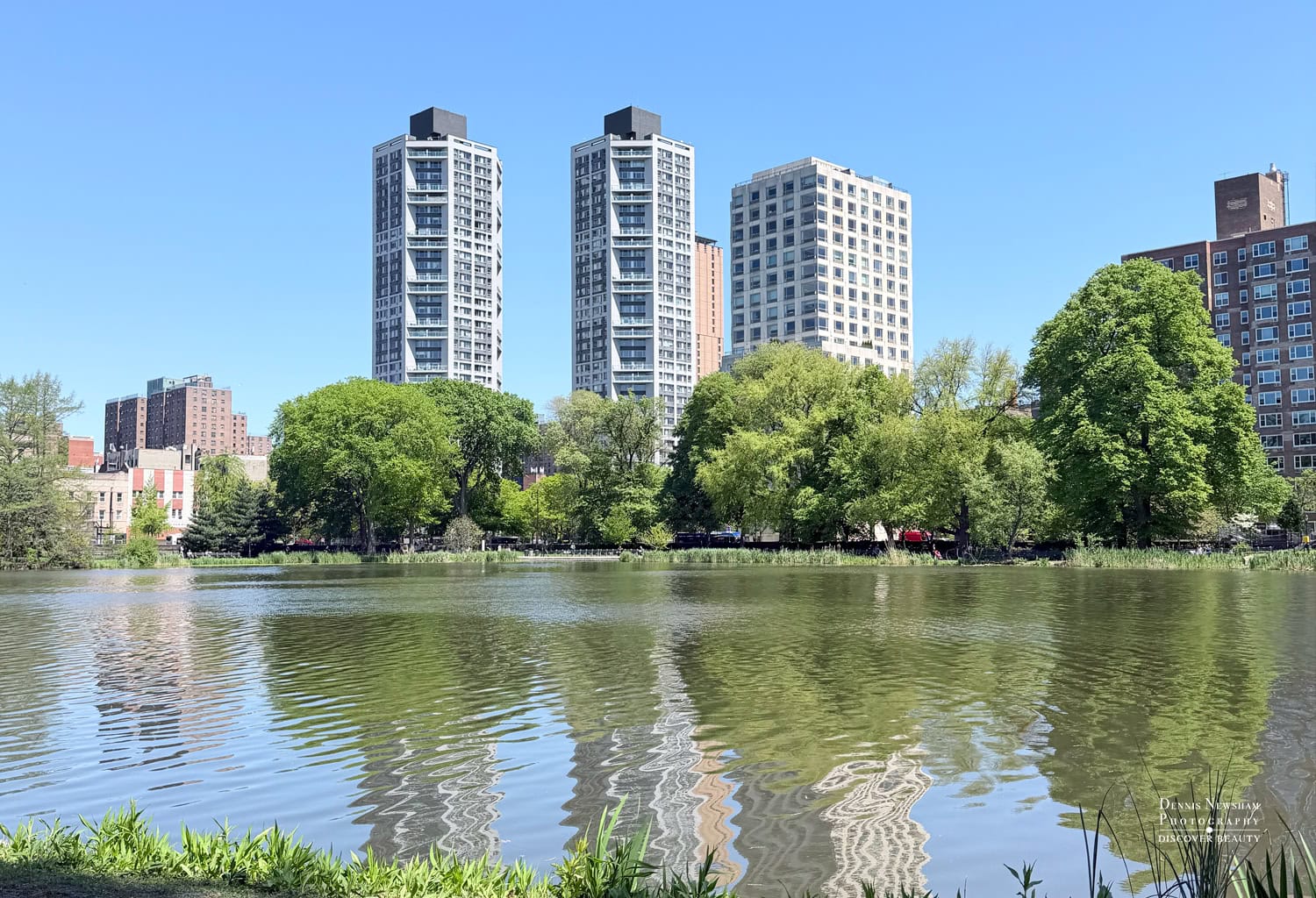
One moment you’re standing beneath towering skyscrapers, watching the city wake up around you. A few minutes later, you’re listening to a warbler singing from the treetops or watching a Green Heron quietly hunt along the edge of the Loch. That contrast is something I’ve never grown tired of. It’s one of the things that makes birding here so special.
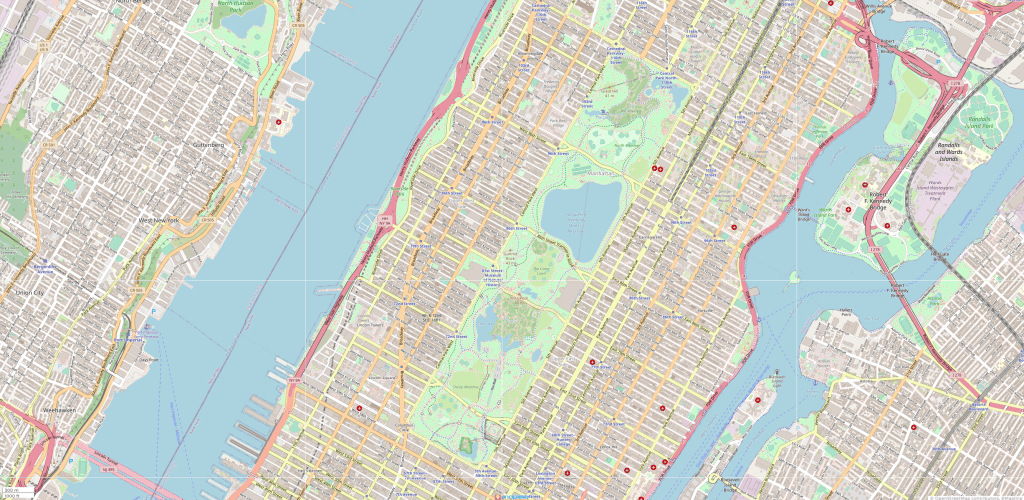
Covering 843 acres from 59th Street to 110th Street, Central Park is much more than a large city park. It’s a collection of different habitats, each with its own character. There are wooded areas like the Ramble and the North Woods, open meadows, streams, ponds, rocky overlooks, gardens, and quiet corners that seem almost untouched despite being surrounded by one of the world’s largest cities.
That variety is one of the reasons so many birds stop here during migration.
Over the years, more than 280 bird species have been recorded in Central Park, with around 190 species appearing regularly as year round residents or seasonal visitors. Whether you’re hoping to see a tiny warbler feeding high in the trees, a Green Heron hunting along the water’s edge, a Red tailed Hawk soaring overhead, or even an occasional Bald Eagle or Osprey, there’s always the possibility of something unexpected.
Central Park also sits directly along the Atlantic Flyway, one of North America’s major migration routes. I’ve often wondered what the park must look like from the perspective of a migrating bird. After hours of flying over cities and neighborhoods, imagine seeing this large patch of green filled with trees, lakes, ponds, and streams. To a tired bird, it must look like a welcome place to rest, feed, and regain its strength before continuing its journey north.
That’s what makes spring migration so exciting.
On a good morning in May, it’s possible to find twenty or more species of warblers throughout the park. Every habitat offers something different, and every turn in the trail brings the possibility of discovering another bird you weren’t expecting.
Over the years, Central Park has become much more than a place where I go birding. I know its trails, its hills, its streams, and many of the trees that migrating birds return to year after year. Every section of the park has its own personality. The Ramble feels different from the Loch. The Pool has its own rhythm, while Great Hill, the Wildflower Meadow, and the Seep each offer something unique. That’s one of the reasons I never get tired of coming back. Even after all these years, I’m still discovering something new.
But as much as I enjoy the birds, Central Park means something else to me.
It’s also about the people.
One moment I might be talking with a longtime birding friend about the latest sightings. The next, I might meet a visitor from another country seeing a Northern Cardinal or a Blue Jay for the very first time. Those conversations happen naturally here. Birding has a way of bringing people together, and I’ve made countless friendships simply by stopping to admire the same bird.
That’s why Central Park keeps calling me back.
It’s not just the birds.
It’s the experience.
Of course, none of that means the birds will be there when I arrive.
That’s one of the lessons migration teaches you.
You can have the perfect weather forecast, your favorite trail, and years of experience, but every morning begins the same way.
With hope.
Some mornings are quiet.
Other mornings become unforgettable.
This spring turned out to be one of those seasons that reminded me why patience is one of the most important parts of birding.
Every Morning Begins with Hope
During spring migration, especially in May, the excitement doesn’t begin when I arrive in Central Park.
It begins the night before.
As soon as I know I’ll be heading to the park the next morning, I settle into a routine that has become part of the experience. First, I check the weather. Will it be sunny, cloudy, or will rain move through during the morning? Weather can have a big influence on migration, so I’m always curious about what the next day might bring.
Then I begin checking the reports.
I look through Manhattan Bird Alert to see what birds were reported that day. I’m not only interested in what was seen, but who reported it and what they observed. Were the birds feeding high in the canopy? Were they active? Were there signs that migration was beginning to build?
I also check Discord and eBird, sometimes looking back a day or two to see how migration has been developing. I’m not making a checklist of birds that I hope to find. Instead, I’m trying to get a feel for what the park might have in store the next morning. Has birding been slow? Has it been exceptional? Are the conditions right for something special?
Once I’ve done my homework, it’s time to get my camera ready. Batteries are charged. Memory cards are formatted. My camera bag is packed. Sometimes I even lay out my clothes and prepare a snack so I can get out the door as quickly as possible.
I don’t like wasting daylight.
The earlier I’m in the park, the better.
By the time I finally go to bed, I’m excited and sometimes a little restless. I find myself thinking about what might arrive overnight while I’m asleep.
Every morning feels like the start of a new adventure.
By the time I leave the house, the excitement has already started building.
You know what’s racing through my head as I’m racing toward the subway?
“Do I have my camera bag?”
Yes. It’s on my back.
“Did I pack the batteries?”
“What about my memory cards?”
“What did I forget?”
I have this conversation with myself almost every time I head to Central Park. A couple of times I’ve actually had to turn around because I forgot a battery or a memory card. Ever since then I always double check before I leave, but I still find myself asking those same questions all the way to the subway. Maybe it’s because I don’t want to miss an opportunity, but I’m always thinking, “What did I leave behind?”
The walk to the subway has become part of my birding day too.
Before I even reach the station, I walk past a small neighborhood park. I always slow down just enough to look into the trees and bushes. Usually I hear the crows before I see them, and I always look for sparrows. It’s only a few minutes, but it gives me a little taste of what’s waiting for me in Central Park.
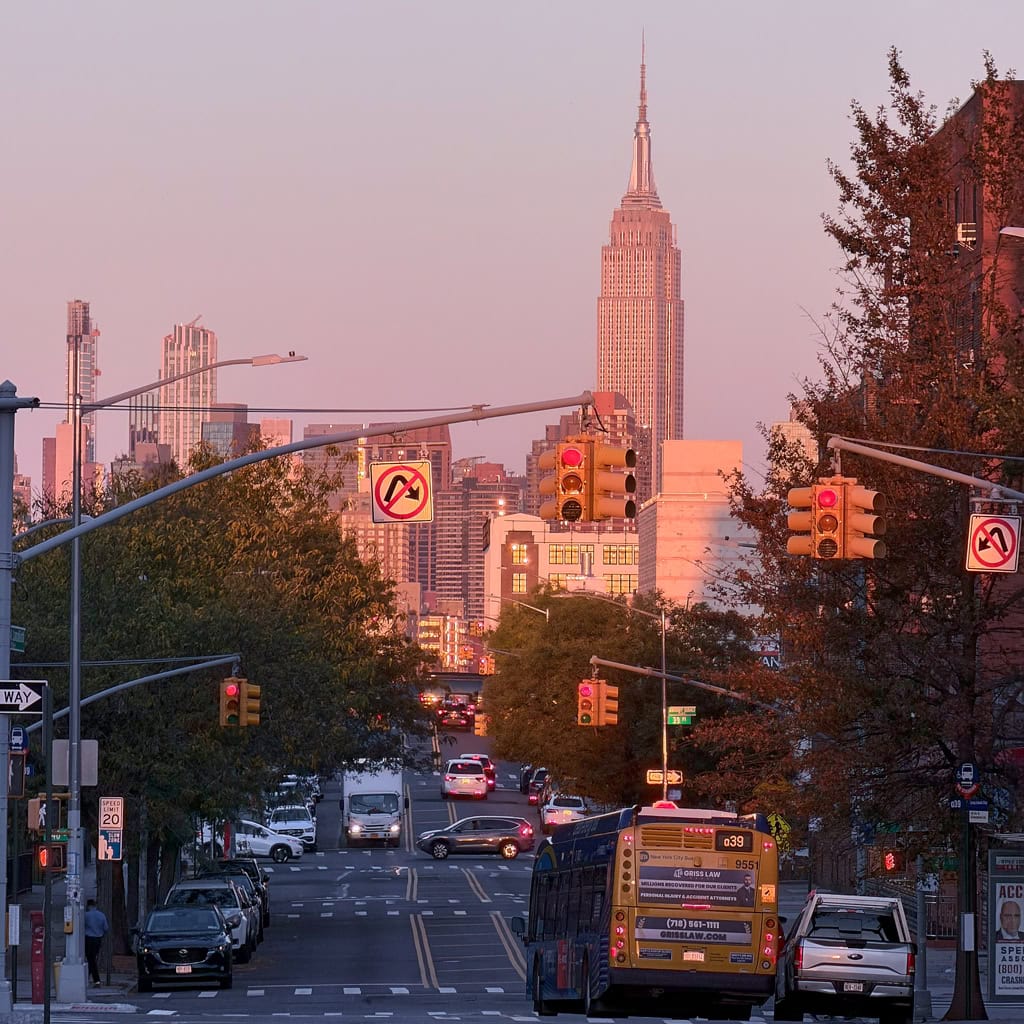
One of the first streets I cross gives me a view of the Empire State Building.
Seeing that building never gets old.
To me it’s almost like it’s saying, “Good morning. Welcome to New York.”
Every time I see it, I think today’s going to be a great day.
As I’m walking, I’m also paying attention to the weather. Was the forecast right? Is it sunnier than they predicted? Is there more wind than I expected? If it looks like rain might move in later, I make sure I’ve packed my rain cover. Before I ever reach Central Park, I’m already making little adjustments in my mind about what the morning might bring.
When I get to the subway platform, I look up before I look down.
We have a lot of pigeons around my station, so they’re usually the first birds I see every morning. Who doesn’t like pigeons? They’re beautiful birds in their own right.
Every once in a while, I’ll look up and catch a Red-tailed Hawk flying overhead.
That’s always a bonus before the day has really even started.
Taking the subway can sometimes be more of an adventure than I planned on.
Weekdays are different from weekends. On weekends I always have to double check that the trains I’m taking are actually running because construction can change everything. Sometimes I have to change my route completely. Sometimes the trains don’t run as often.
I hate burning daylight because every extra minute, I’m waiting for a train is another minute I’m not in Central Park.
So I check the subway alerts.
Then I check the arrival board.
Then I check Manhattan Bird Alert again.
Sometimes I even check Discord or eBird one more time because a new bird report can change which entrance I decide to use. Depending on which entrance I choose, that can change which train I take.
My mind is bouncing back and forth between subway schedules, bird reports, transfers, and wondering what might already be waiting in the park.
Once I finally get on the train, everything changes.
The rushing stops.
There’s nothing more I can do.
If I’m lucky, I get a seat.
If not, I simply stand there and let the motion of the train rock me back and forth.
My first train is above ground, and I enjoy looking out the window as the morning sun reflects off the buildings. Sometimes I even catch myself looking for birds out the window.
Then the train disappears underground.
Before long it’s time to transfer. I walk quickly through the station, hoping I haven’t just missed the next train. Once I get on that final train, I know there’s nothing left to do except be patient.
I listen to the squeal of the brakes.
I feel the train leaning through the curves.
Hopefully it’s one of those subway rides without too many strange smells.
I watch the subway map as every stop brings me closer to Central Park.
The excitement starts building all over again.
Finally the train pulls into the station.
The doors open.
I head up the stairs.
I step outside.
I look across the street.
There it is.
Central Park.
Yes…
I’m here.
Today’s adventure begins.
Continue the Journey
This article is Part 1 of my Spring Migration in Central Park series.
Next: The Heart of Spring Migration — where we’ll explore my favorite birding locations, experience unforgettable mornings, and discover the birds that make May the most exciting month of the year in Central Park.
One Response